Blueberry at a glance
| Botanical name | Vaccinium corymbosum |
|---|---|
| Family | Ericaceae |
| Other names | highbush blueberry |
| Plant type | Shrub; deciduous fruiting shrub |
| Size | 6 to 12 feet tall, 6 to 10 feet wide |
| Light | Full sun (6 or more hours of direct sun); Part shade (2 to 6 hours of sun) |
| Water | Shallow roots need steady moisture; mulch well. |
| Soil | Acid soil (below pH 6.0), well-drained and rich in organic matter. Test your soil first. |
| USDA hardiness zones | Hardy in zones 3 to 8. |
| USDA PLANTS symbol | VACO |
When to plant blueberry
Plant in early spring or fall.
Turn these into real dates for your area with the planting calendar.
How to grow blueberry
- Test soil pH before planting; blueberries need acid soil.
- Plant at least two varieties for better pollination and bigger crops.
- Mulch with pine bark or wood chips to keep roots cool and moist.
- Water regularly, especially while fruit forms.
- Prune older canes in late winter once plants are a few years old.
- Net plants as berries ripen to keep birds off.
Water and soil
Water: Shallow roots need steady moisture; mulch well.
Soil: Acid soil (below pH 6.0), well-drained and rich in organic matter. Test your soil first.
Light: Full sun (6 or more hours of direct sun); Part shade (2 to 6 hours of sun).
Common problems
- Yellow leaves with green veins
- Often a sign the soil pH is too high. A soil test shows what to change.
- Birds take the crop
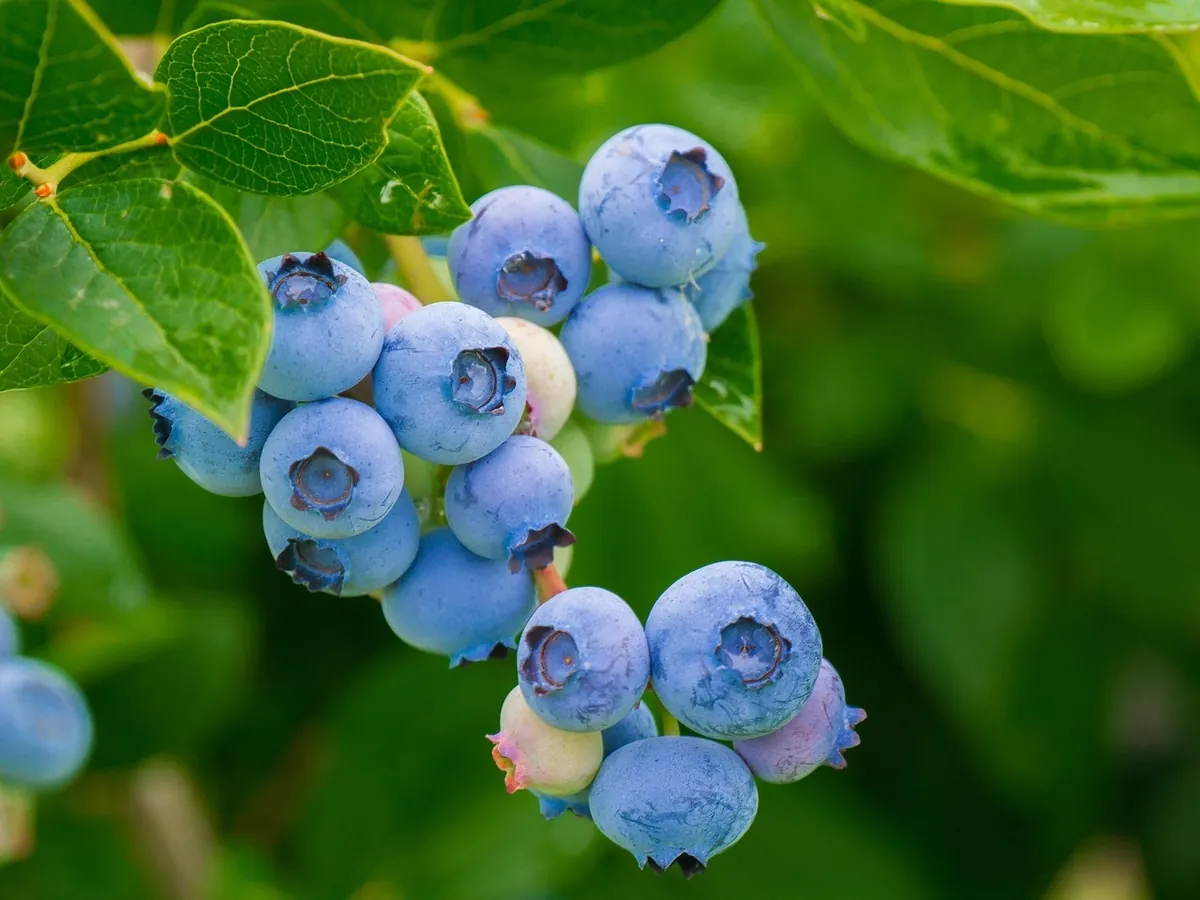
- Use netting when berries begin to turn blue.
Is blueberry safe for cats and dogs?
Not listed
Not listed
Blueberry is not on the ASPCA's toxic or non-toxic plant lists for cats and dogs.
If a pet chews a plant and you are worried, call your vet or the ASPCA Animal Poison Control Center (888-426-4435; a fee may apply). For people, call Poison Help at 1-800-222-1222. In an emergency, call 911.
Can you eat blueberry?
The berries are eaten fresh, dried or baked.
Blueberry questions
What soil do blueberries need?
Acid soil, below pH 6.0, that drains well and holds organic matter. Test your soil before planting.
Do I need two blueberry bushes?
Planting two or more varieties usually improves pollination and gives larger crops.
Are blueberry bushes toxic to pets?
Blueberry is not on the ASPCA's plant lists. Ask your vet if your pet eats the plant.
Sources
- NC State Extension Gardener Plant Toolbox: Vaccinium corymbosum (size, light, soil, zones, poison rating)
- USDA PLANTS Database profile: Vaccinium corymbosum L. (accepted name)
- ASPCA Animal Poison Control: plants toxic and non-toxic to cats
- ASPCA Animal Poison Control: plants toxic and non-toxic to dogs
Written in our own words from the sources above. See our editorial policy. Spotted a mistake? Tell us.