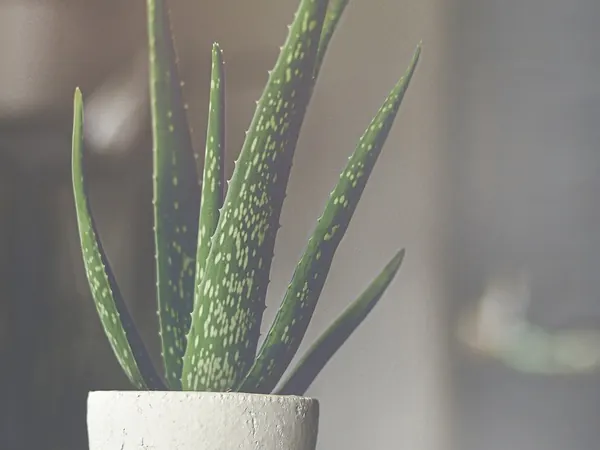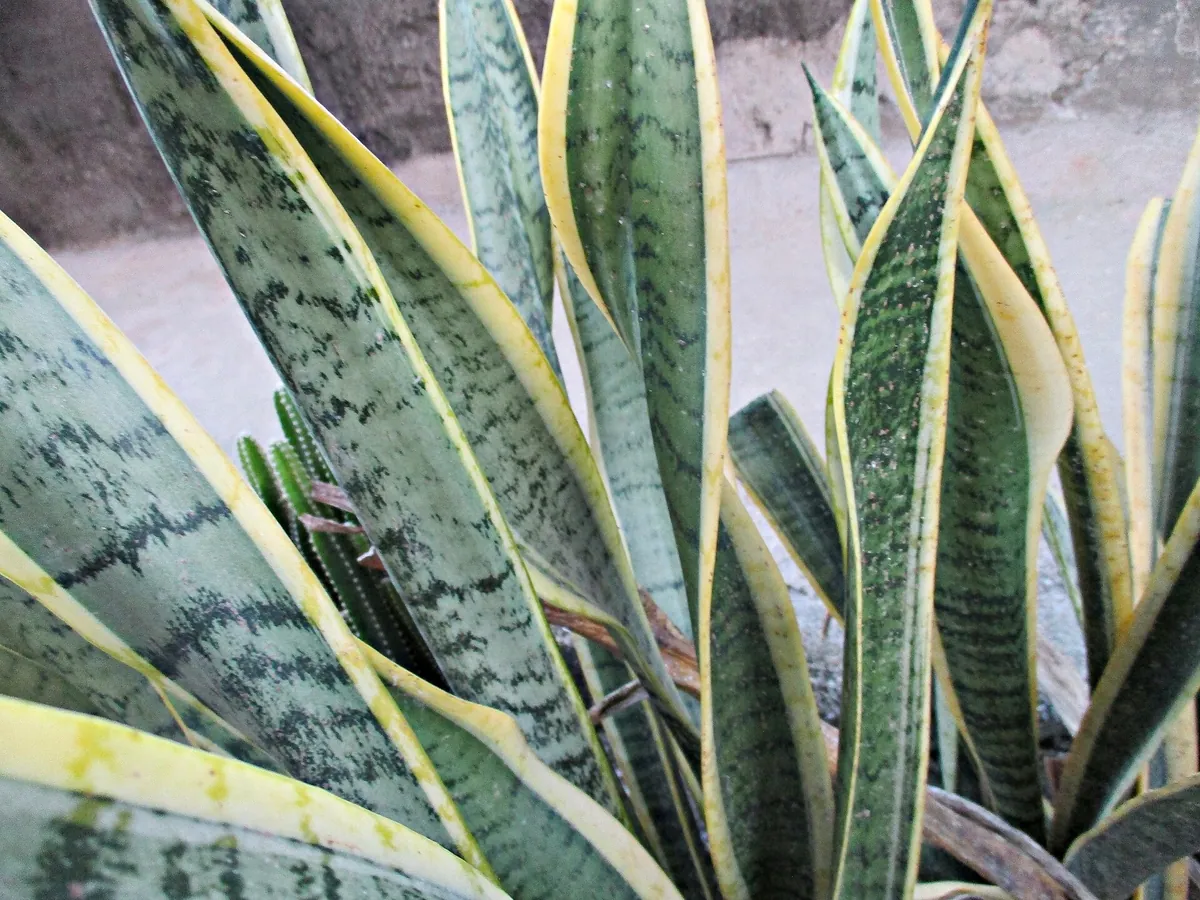
Snake Plant at a glance
| Botanical name | Dracaena trifasciata |
|---|---|
| Family | Asparagaceae |
| Other names | mother-in-law's tongue, Sansevieria |
| Plant type | Houseplant; evergreen perennial (houseplant) |
| Size | Usually 1 to 3 feet tall indoors |
| Light | Part shade (2 to 6 hours of sun); Shade (under 2 hours of direct sun) |
| Water | Let the soil dry out fully between waterings. In winter, water even less. |
| Soil | Fast-draining potting mix, such as a cactus mix, in a pot with a drainage hole. |
| USDA hardiness zones | Outdoors only in zones 10 to 12; elsewhere it is a houseplant. |
| USDA PLANTS symbol | SATR6 |
When to plant snake plant
Repot in spring or summer when the roots fill the pot.
How to grow snake plant
- Pot in a fast-draining mix in a container with a drainage hole.
- Place in bright, indirect light for best growth; it also tolerates dim rooms.
- Water only when the soil is dry all the way through.
- Wipe dust off the leaves now and then.
- Divide crowded plants in spring to make new ones.
Water and soil
Water: Let the soil dry out fully between waterings. In winter, water even less.
Soil: Fast-draining potting mix, such as a cactus mix, in a pot with a drainage hole.
Light: Part shade (2 to 6 hours of sun); Shade (under 2 hours of direct sun).
Common problems
- Soft, mushy leaves at the base
- A sign of rot from too much water. Let the soil dry and cut away soft parts.
- Wrinkled leaves
- The plant is very dry. Water thoroughly once.
Is snake plant safe for cats and dogs?
Toxic
Toxic
The ASPCA lists Snake Plant (Sansevieria trifasciata) as toxic to cats and toxic to dogs. Signs it lists include: nausea, vomiting, diarrhea. ASPCA entry.
NC State Extension rates its poison severity for people and animals as low.
If a pet chews a plant and you are worried, call your vet or the ASPCA Animal Poison Control Center (888-426-4435; a fee may apply). For people, call Poison Help at 1-800-222-1222. In an emergency, call 911.
Can you eat snake plant?
Not edible.
Snake Plant questions
Is snake plant toxic to cats and dogs?
Yes. The ASPCA lists snake plant as toxic to cats and dogs; it can cause nausea, vomiting and diarrhea.
How often should I water a snake plant?
Only when the soil has dried out completely. For many homes that means every 2 to 4 weeks, and less often in winter.
Can snake plant live in low light?
It tolerates low light better than most houseplants, though it grows faster in bright, indirect light.
Sources
- NC State Extension Gardener Plant Toolbox: Dracaena trifasciata (size, light, soil, zones, poison rating)
- USDA PLANTS Database profile: Sansevieria trifasciata hort. ex Prain (accepted name)
- ASPCA: Snake Plant (pet toxicity)
- ASPCA Animal Poison Control: plants toxic and non-toxic to cats
- ASPCA Animal Poison Control: plants toxic and non-toxic to dogs
Written in our own words from the sources above. See our editorial policy. Spotted a mistake? Tell us.