Plant finder
Filter 50 popular US garden plants by type, sun, water, hardiness zone, pet safety and whether you can eat them. Every plant has a real photo and checked facts.
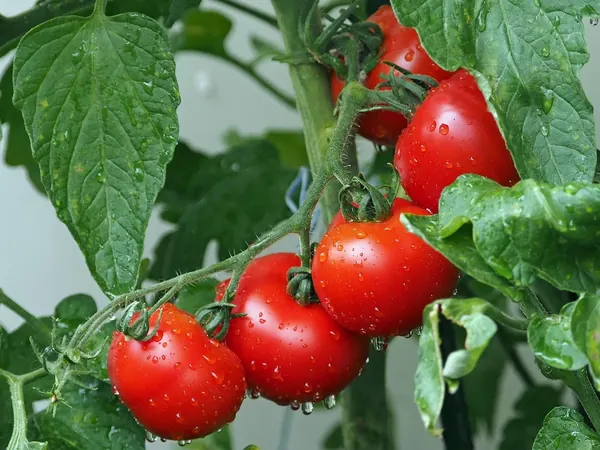 TomatoSolanum lycopersicum
- Vegetable
- Full sun
- Toxic to pets
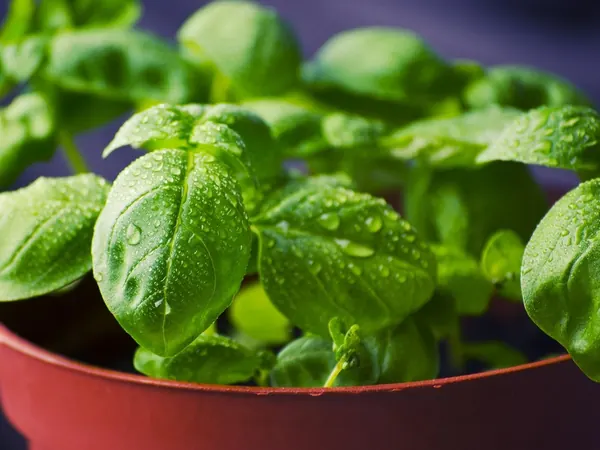 BasilOcimum basilicum
- Herb
- Full sun to Part shade
- Pet-safe
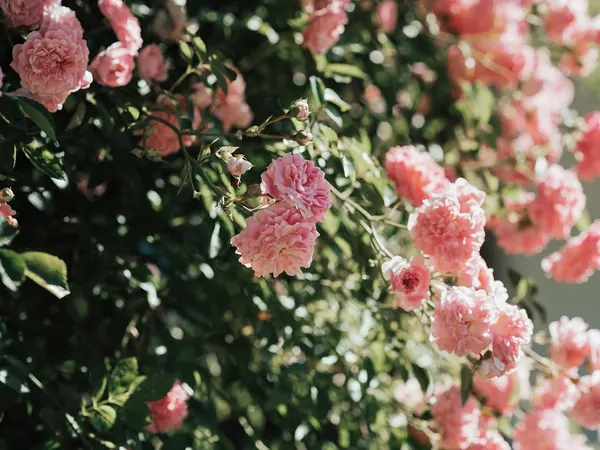 RoseRosa hybrids
- Shrub
- Full sun
- Pet-safe
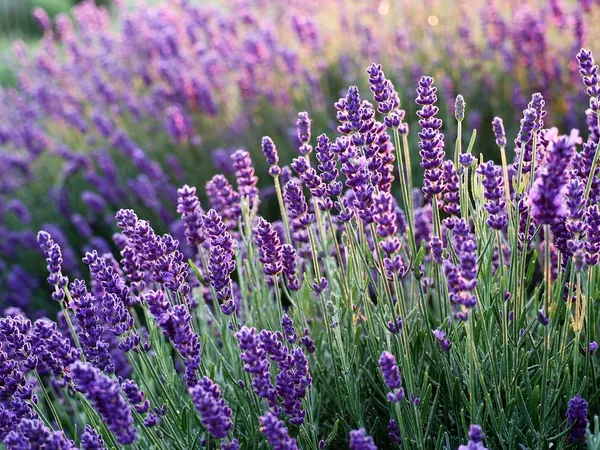 LavenderLavandula angustifolia
- Herb
- Full sun
- Toxic to pets
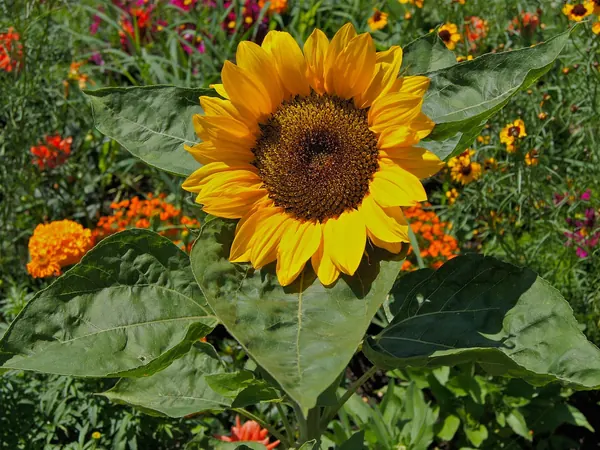 SunflowerHelianthus annuus
- Flower
- Full sun
- Pet-safe
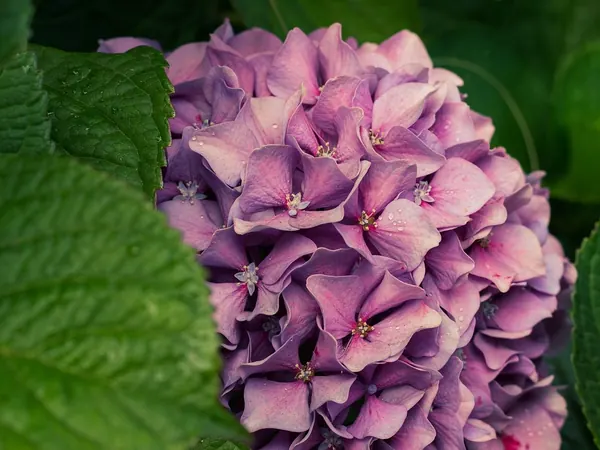 HydrangeaHydrangea macrophylla
- Shrub
- Part shade to Shade
- Toxic to pets
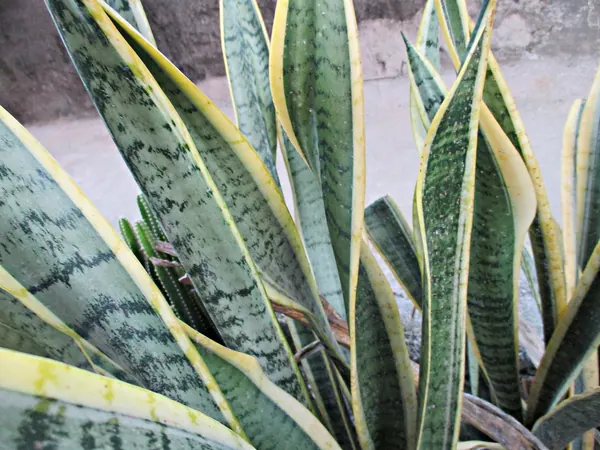 Snake PlantDracaena trifasciata
- Houseplant
- Part shade to Shade
- Toxic to pets
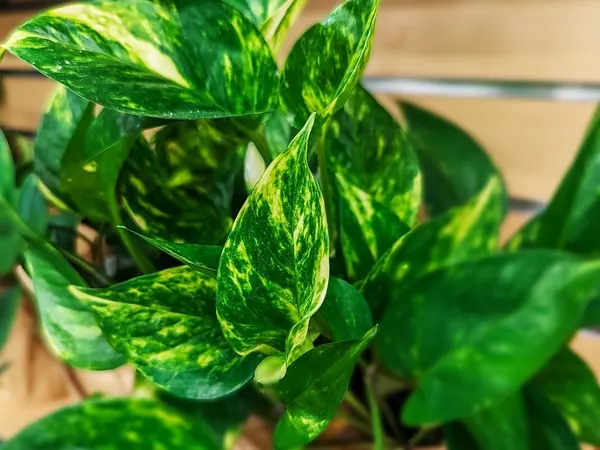 PothosEpipremnum aureum
- Houseplant
- Part shade to Shade
- Toxic to pets
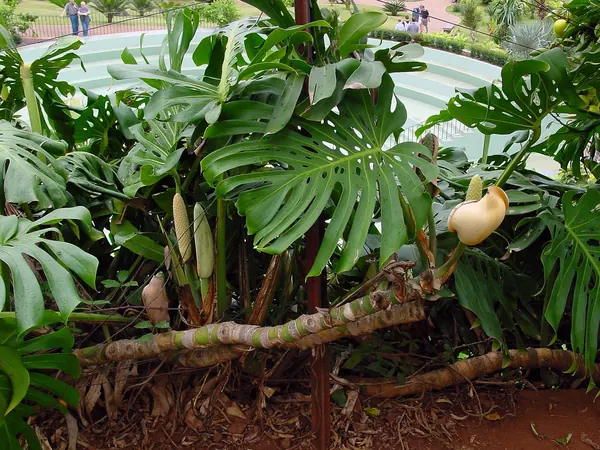 MonsteraMonstera deliciosa
- Houseplant
- Part shade
- Toxic to pets
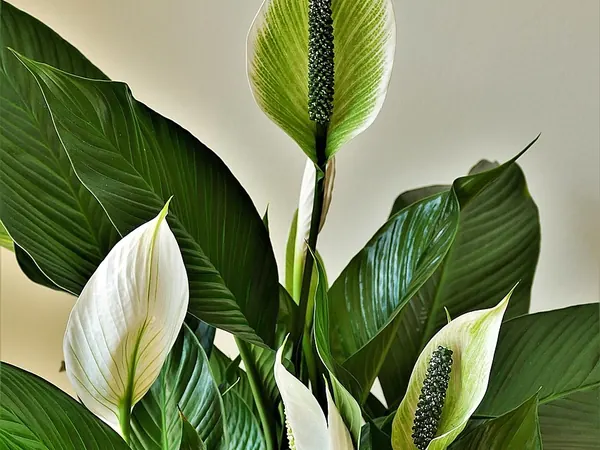 Peace LilySpathiphyllum wallisii
- Houseplant
- Part shade to Shade
- Toxic to pets
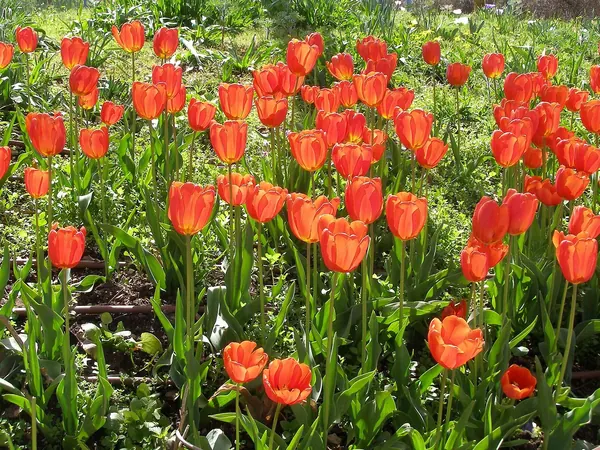 TulipTulipa gesneriana
- Flower
- Full sun
- Toxic to pets
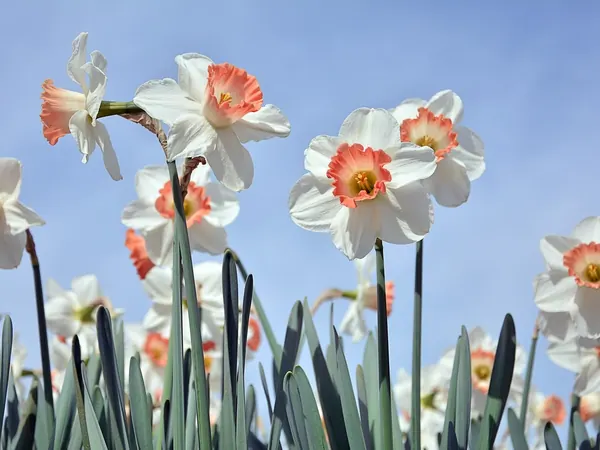 DaffodilNarcissus pseudonarcissus
- Flower
- Full sun to Part shade
- Toxic to pets
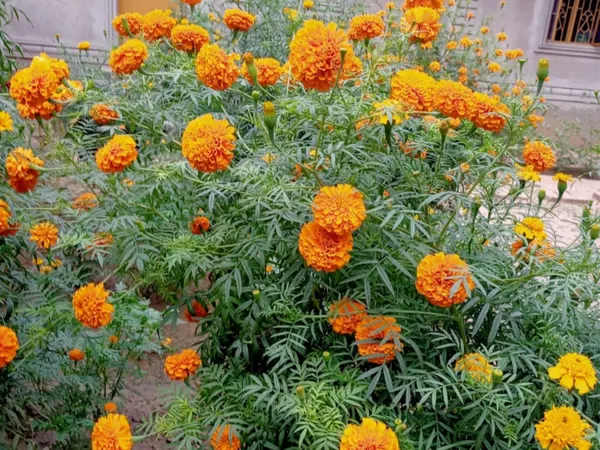 MarigoldTagetes erecta
- Flower
- Full sun
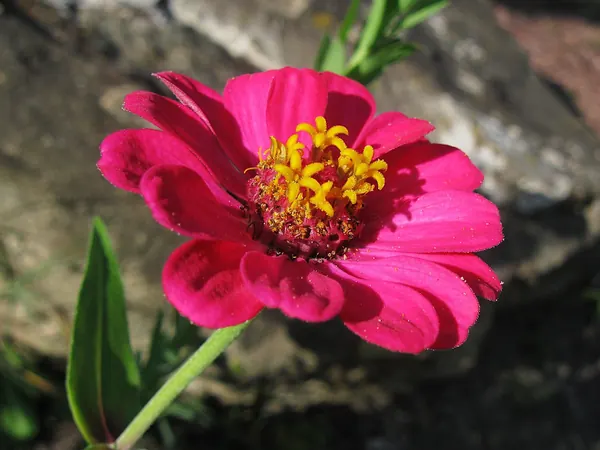 ZinniaZinnia elegans
- Flower
- Full sun
- Pet-safe
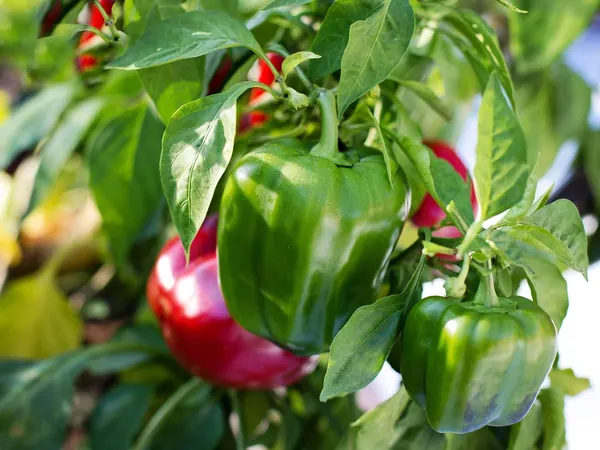 PepperCapsicum annuum
- Vegetable
- Full sun
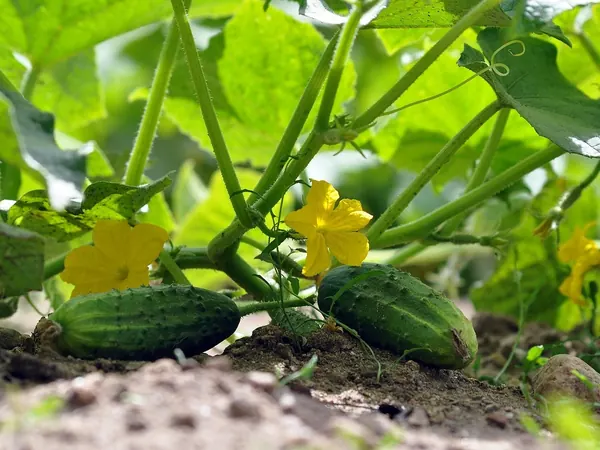 CucumberCucumis sativus
- Vegetable
- Full sun
- Pet-safe
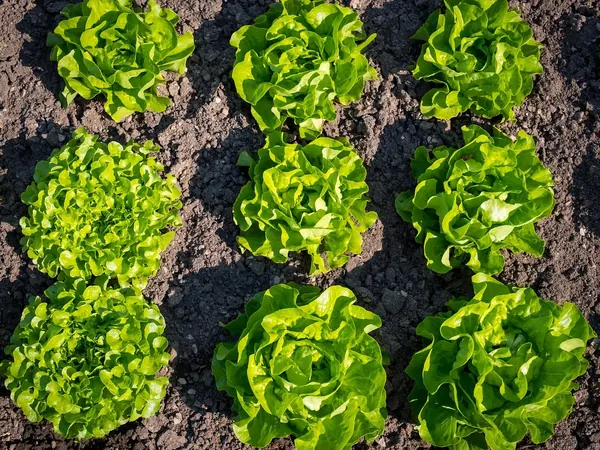 LettuceLactuca sativa
- Vegetable
- Full sun to Part shade
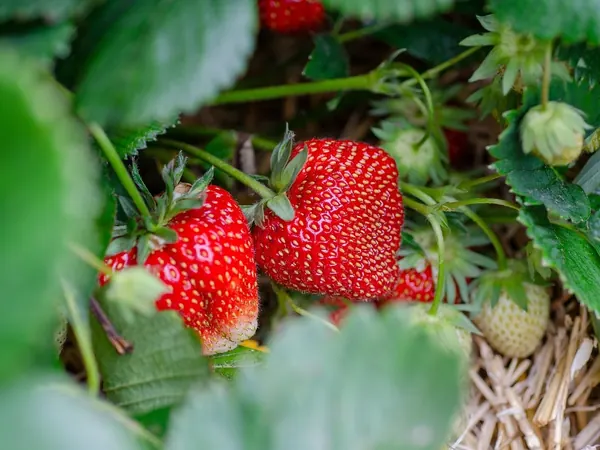 StrawberryFragaria × ananassa
- Fruit
- Full sun
- Pet-safe
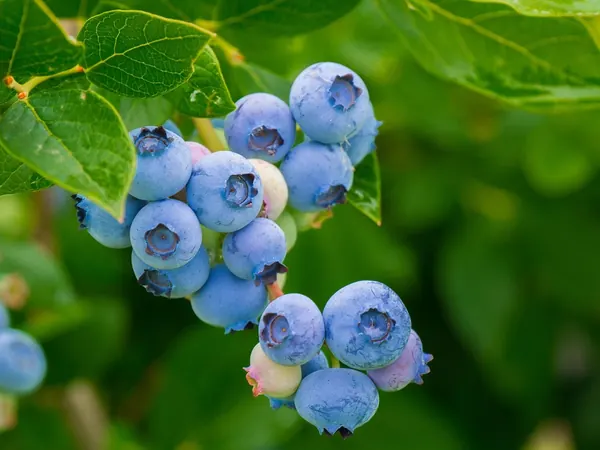 BlueberryVaccinium corymbosum
- Shrub
- Full sun to Part shade
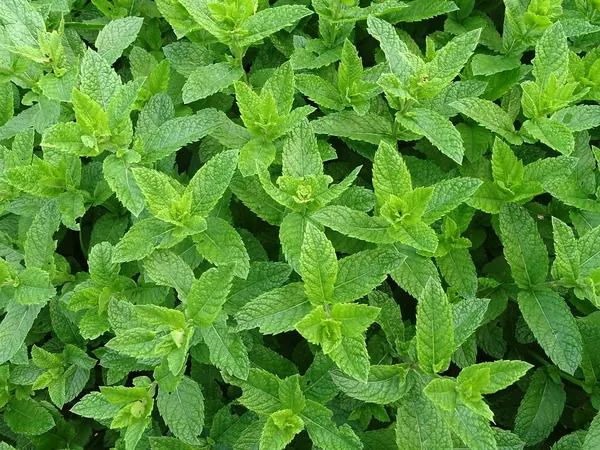 MintMentha spicata
- Herb
- Full sun to Part shade
- Toxic to pets
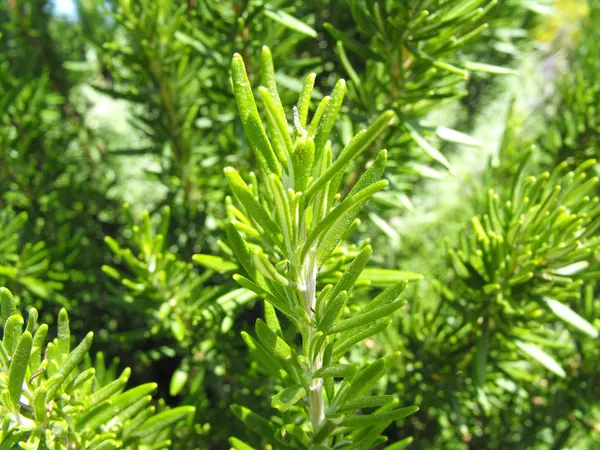 RosemarySalvia rosmarinus
- Herb
- Full sun
- Pet-safe
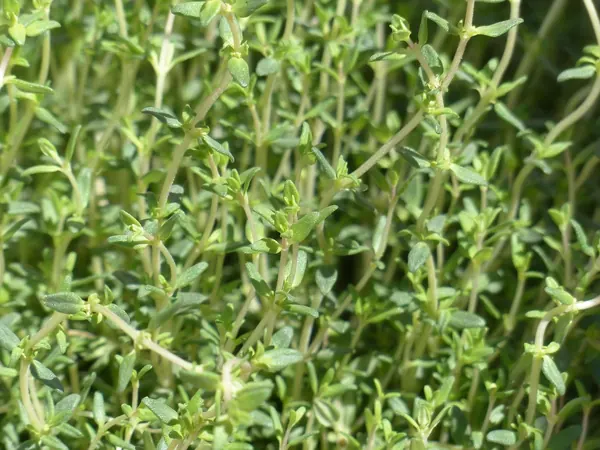 ThymeThymus vulgaris
- Herb
- Full sun
- Pet-safe
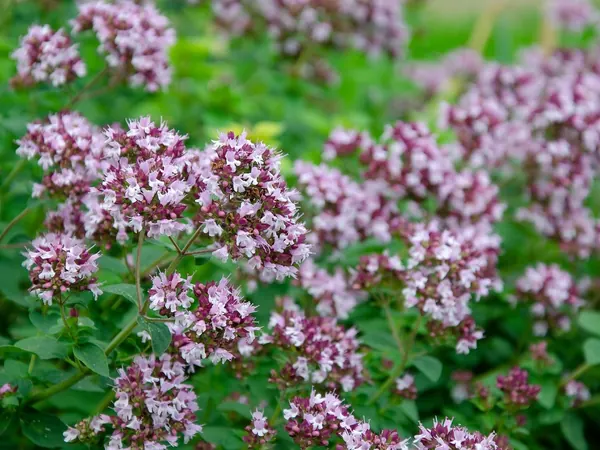 OreganoOriganum vulgare
- Herb
- Full sun to Part shade
- Toxic to pets
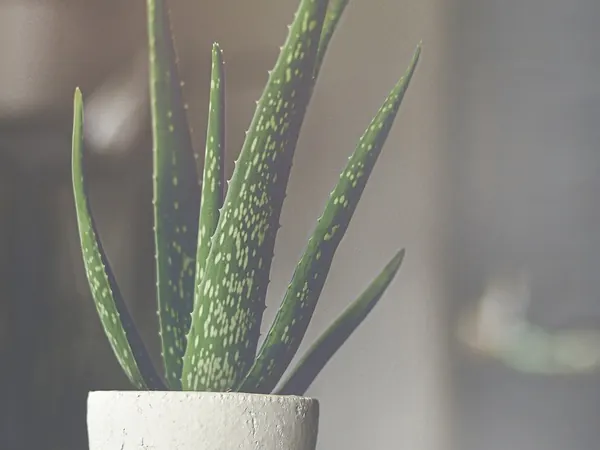 Aloe VeraAloe vera
- Houseplant
- Full sun to Part shade
- Toxic to pets
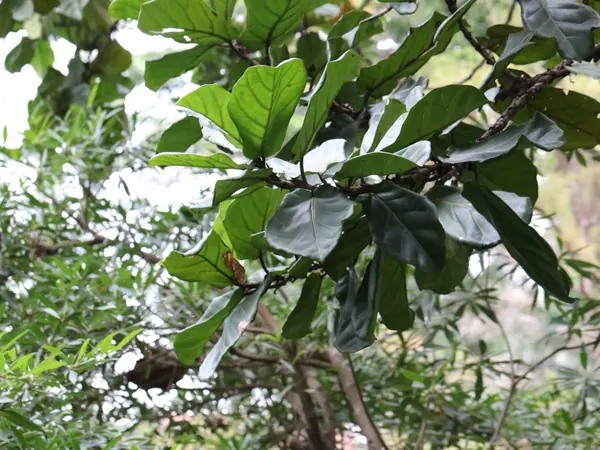 Fiddle Leaf FigFicus lyrata
- Houseplant
- Part shade
- Toxic to pets
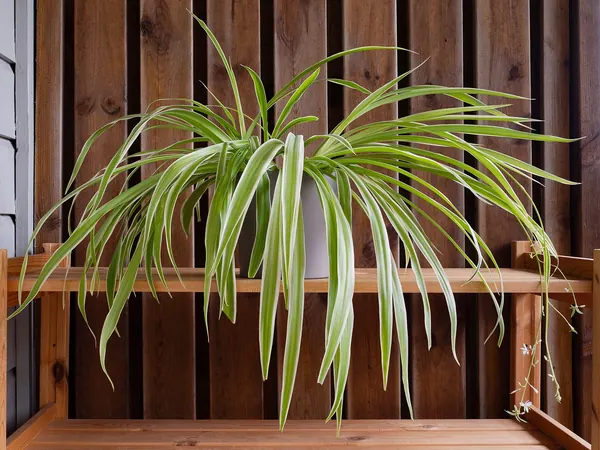 Spider PlantChlorophytum comosum
- Houseplant
- Part shade to Shade
- Pet-safe
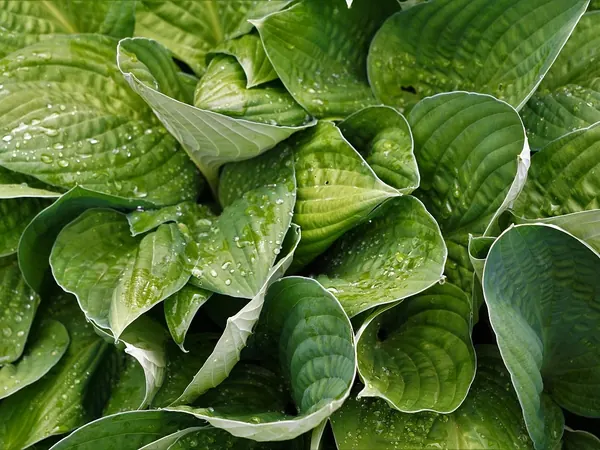 HostaHosta species and hybrids
- Flower
- Part shade to Shade
- Toxic to pets
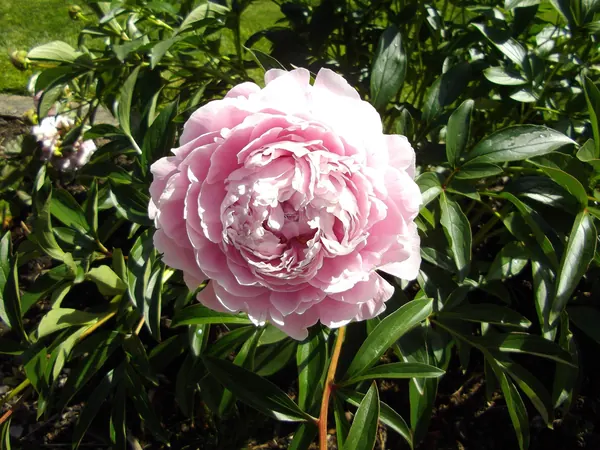 PeonyPaeonia lactiflora
- Flower
- Full sun to Part shade
- Toxic to pets
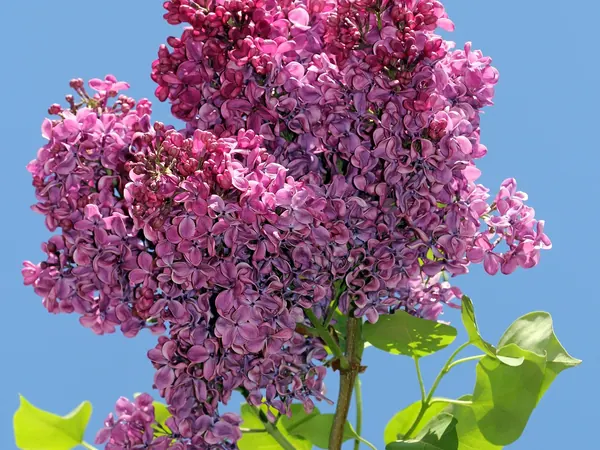 LilacSyringa vulgaris
- Shrub
- Full sun to Part shade
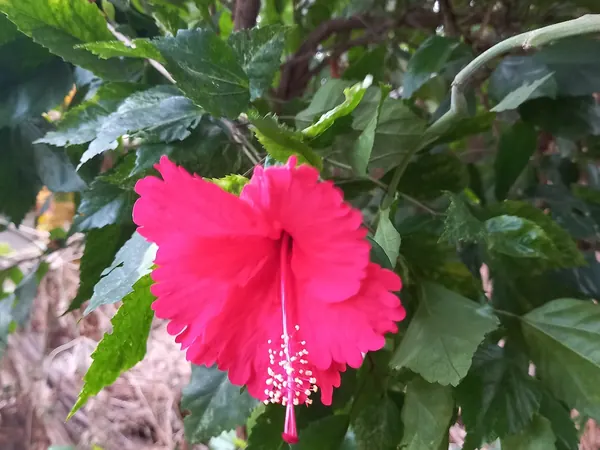 HibiscusHibiscus rosa-sinensis
- Shrub
- Full sun to Part shade
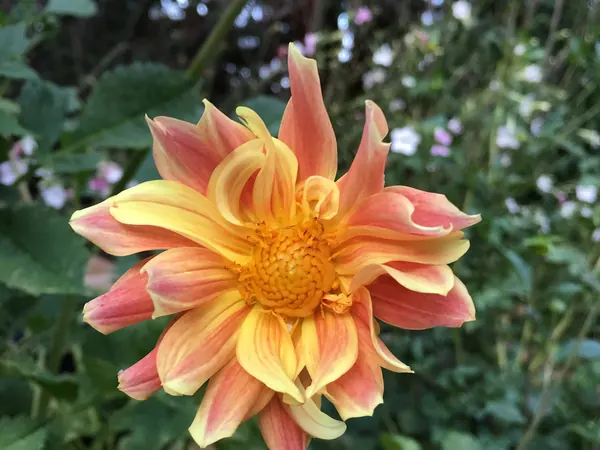 DahliaDahlia hybrids
- Flower
- Full sun
- Toxic to pets
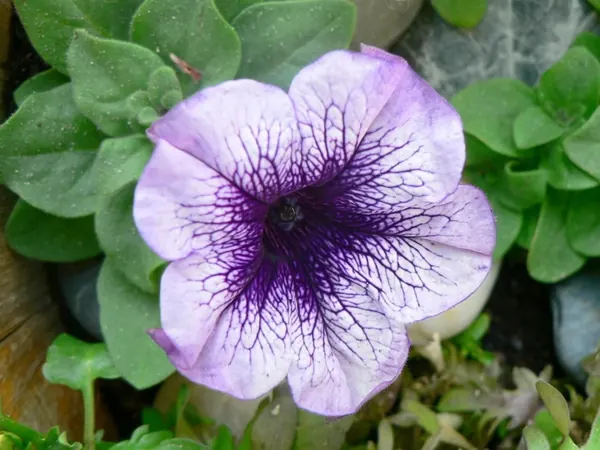 PetuniaPetunia × atkinsiana
- Flower
- Full sun to Part shade
- Pet-safe
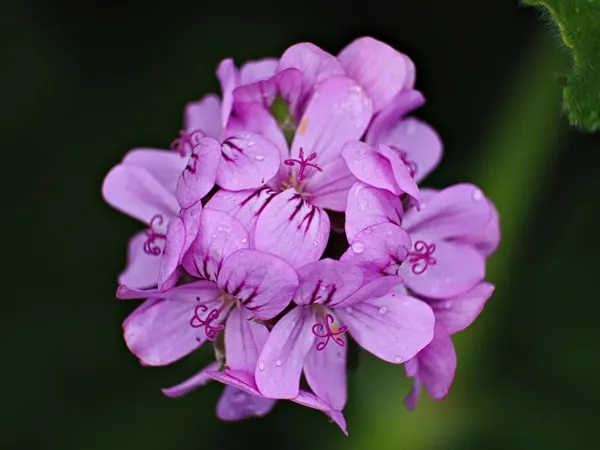 GeraniumPelargonium × hortorum
- Flower
- Full sun
- Toxic to pets
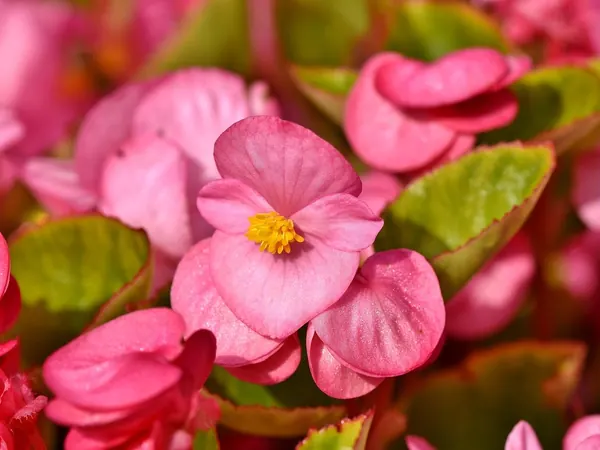 BegoniaBegonia species and hybrids
- Flower
- Part shade to Shade
- Toxic to pets
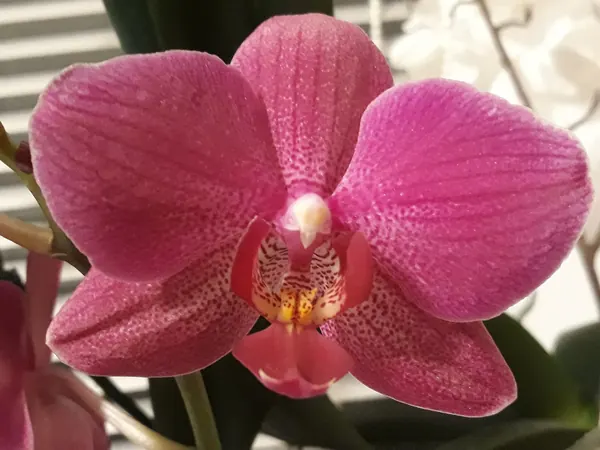 Moth OrchidPhalaenopsis hybrids
- Houseplant
- Part shade to Shade
- Pet-safe
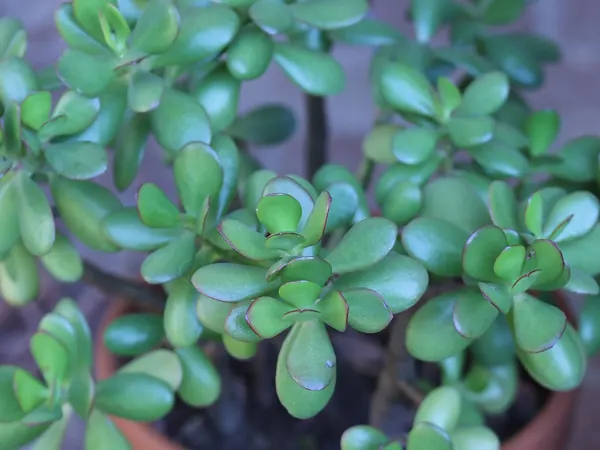 Jade PlantCrassula ovata
- Houseplant
- Full sun to Part shade
- Toxic to pets
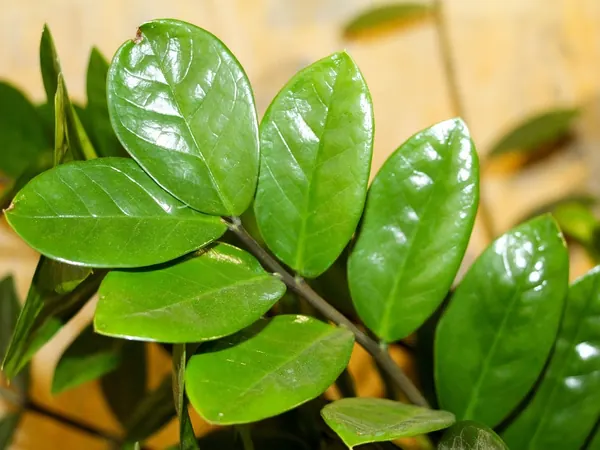 ZZ PlantZamioculcas zamiifolia
- Houseplant
- Part shade to Shade
- Toxic to pets
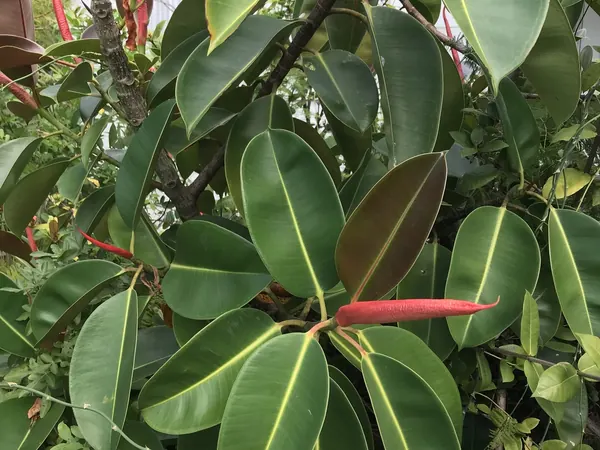 Rubber PlantFicus elastica
- Houseplant
- Part shade
- Toxic to pets
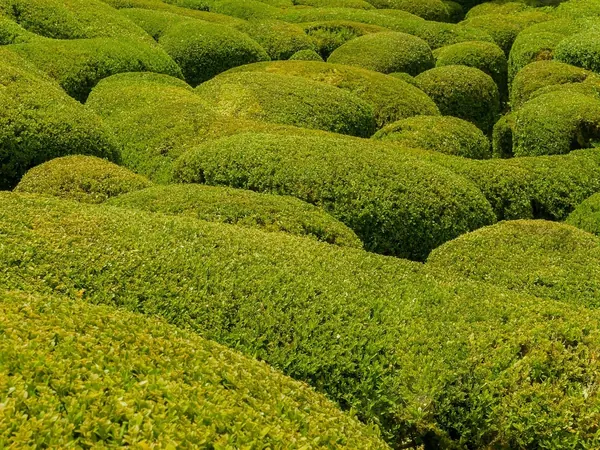 BoxwoodBuxus sempervirens
- Shrub
- Full sun to Part shade
- Toxic to pets
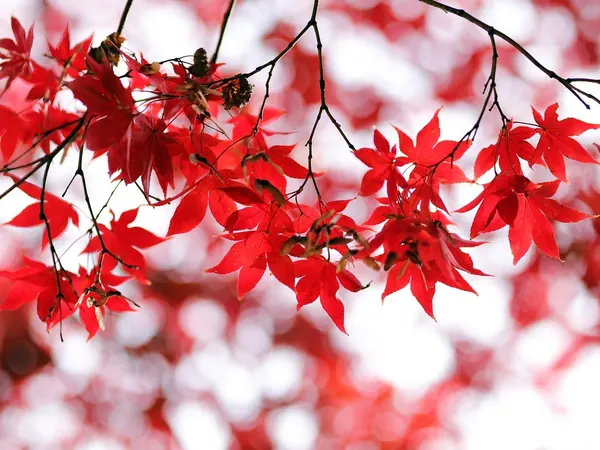 Japanese MapleAcer palmatum
- Tree
- Part shade
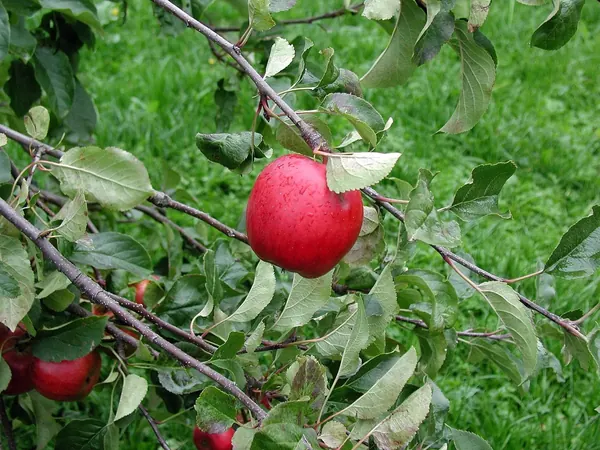 Apple TreeMalus domestica
- Tree
- Full sun
- Toxic to pets
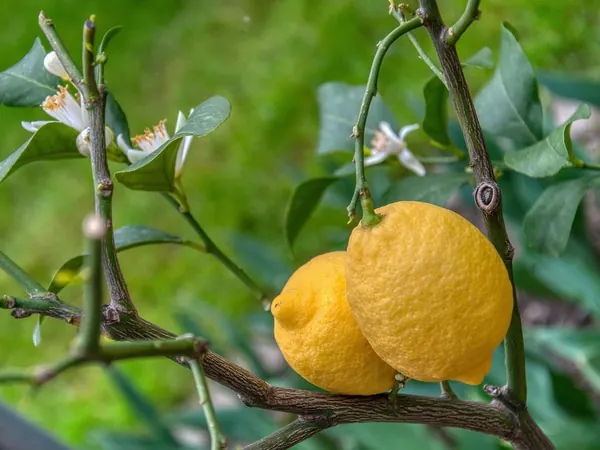 Lemon TreeCitrus × limon
- Tree
- Full sun
- Toxic to pets
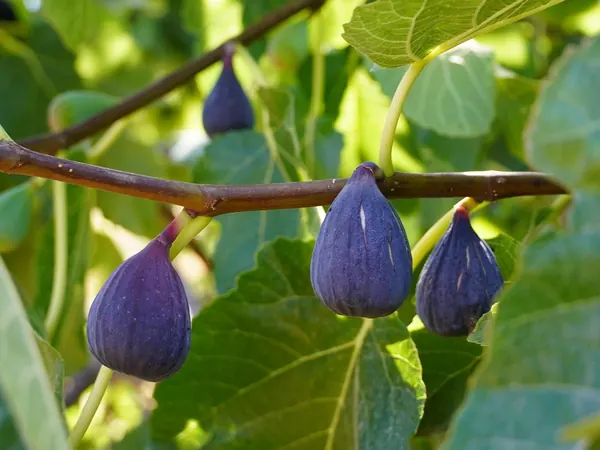 Fig TreeFicus carica
- Tree
- Full sun to Part shade
- Toxic to pets
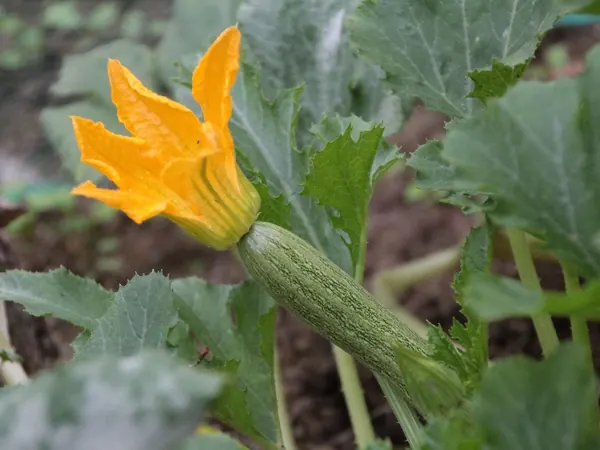 ZucchiniCucurbita pepo
- Vegetable
- Full sun
- Pet-safe
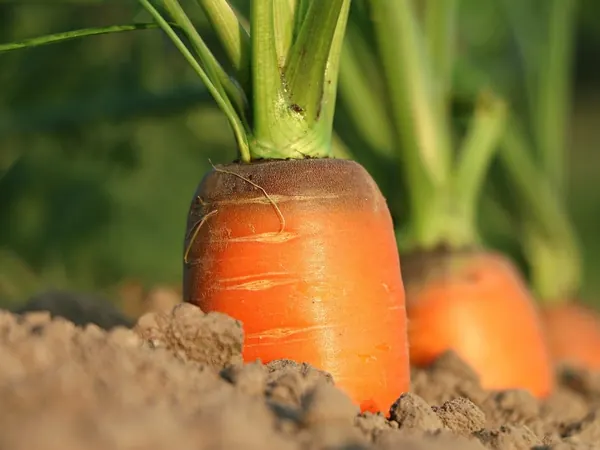 CarrotDaucus carota subsp. sativus
- Vegetable
- Full sun to Part shade
- Pet-safe
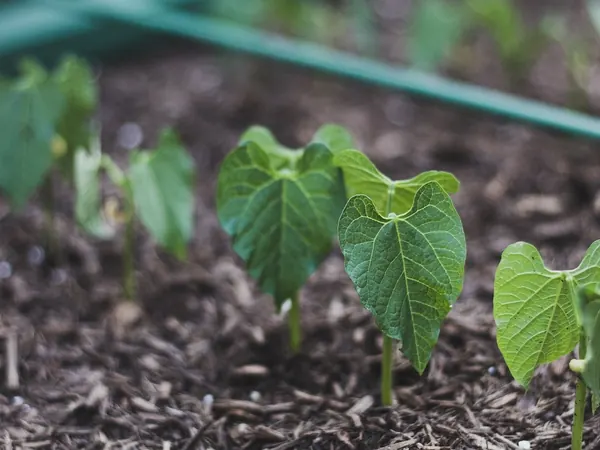 Green BeanPhaseolus vulgaris
- Vegetable
- Full sun
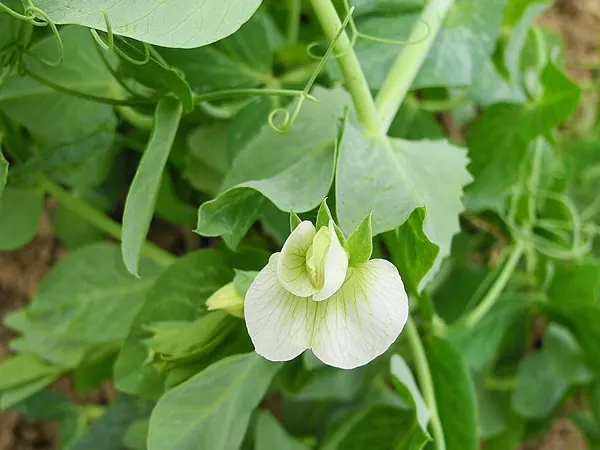 Garden PeaPisum sativum
- Vegetable
- Full sun to Part shade
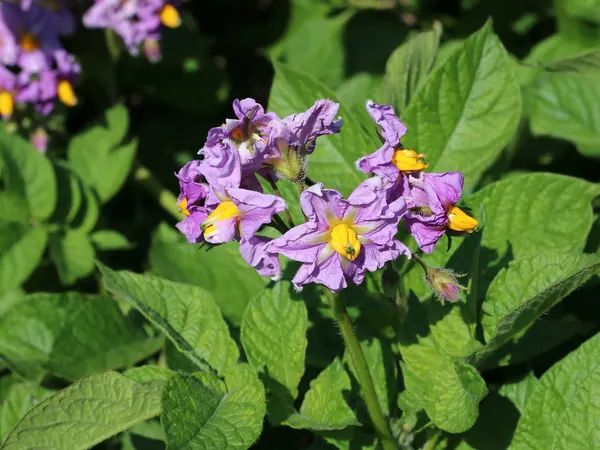 PotatoSolanum tuberosum
- Vegetable
- Full sun
- Toxic to pets
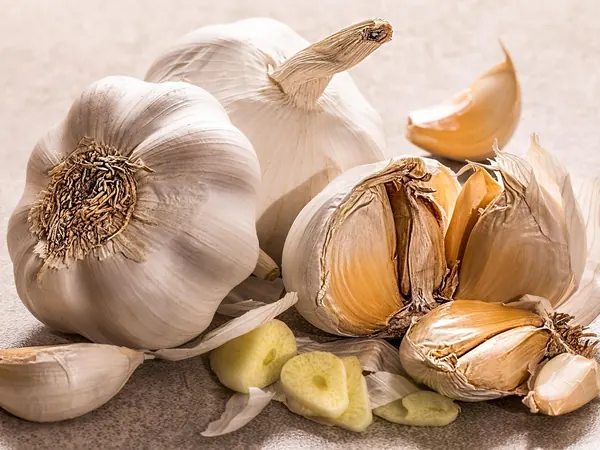 GarlicAllium sativum
- Vegetable
- Full sun
- Toxic to pets
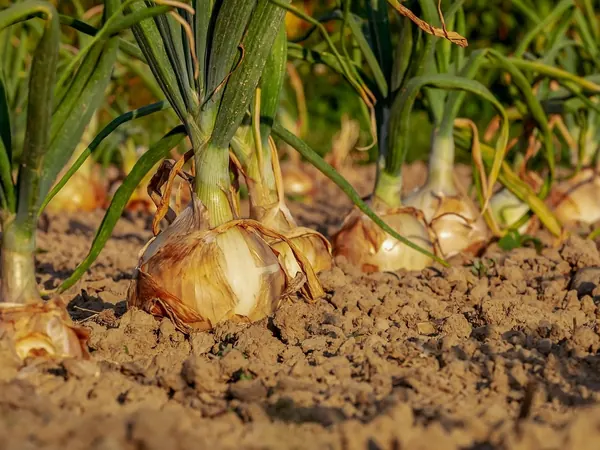 OnionAllium cepa
- Vegetable
- Full sun
- Toxic to pets
No plant matches all of those filters. Try removing one, or .
About the plant finder
What does pet-safe mean in this finder?
A plant is marked pet-safe only when the ASPCA lists that same plant as non-toxic to both cats and dogs. Plants that are toxic, or not on the ASPCA lists, are not marked pet-safe.
How does the zone filter work?
Choose your USDA hardiness zone to see perennials, shrubs, trees and bulbs that can live outdoors year-round there, plus annual crops and flowers, which grow in every zone for one season.
Where do the plant facts come from?
Sizes, light, soil and zones come from the NC State Extension Gardener Plant Toolbox; accepted names from the USDA PLANTS Database; pet toxicity from the ASPCA plant lists. Each plant page lists its sources.