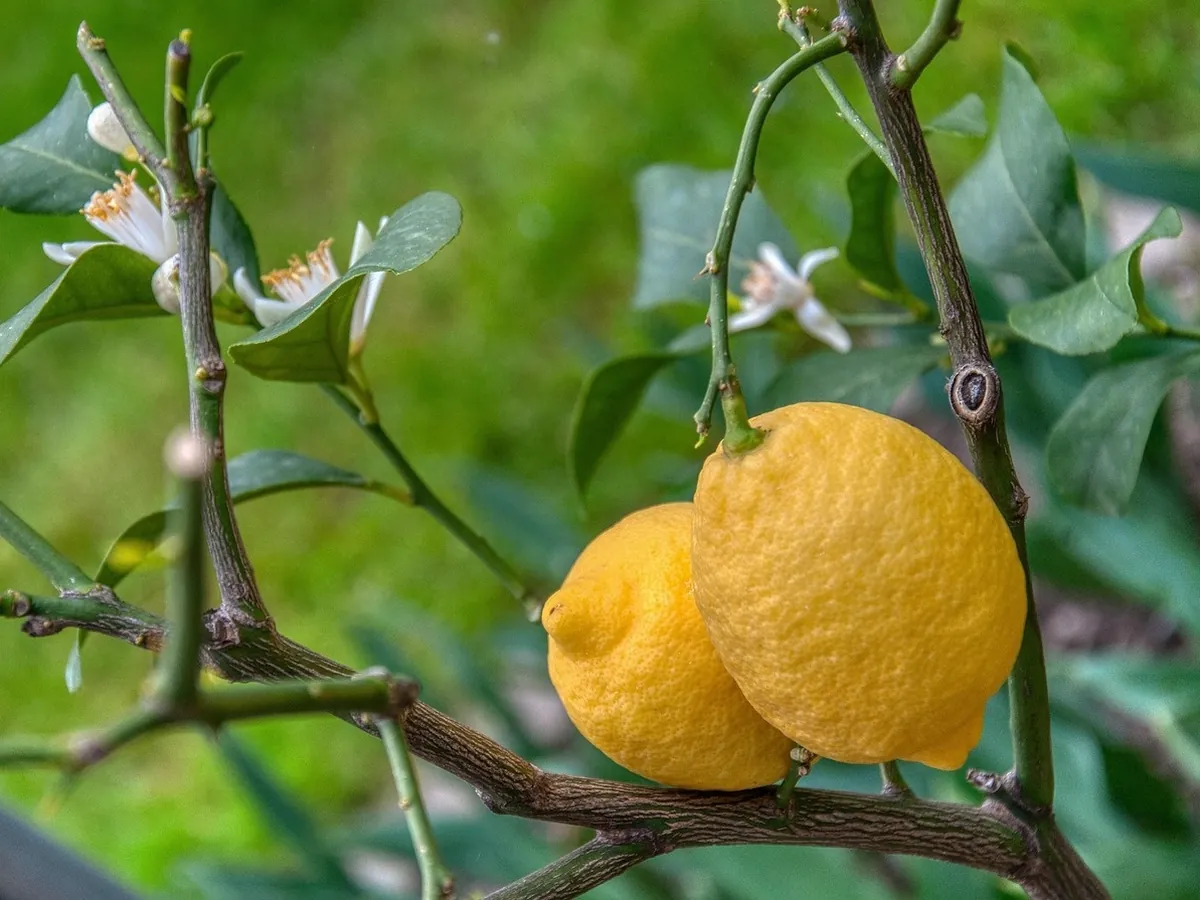
Lemon Tree at a glance
| Botanical name | Citrus × limon |
|---|---|
| Family | Rutaceae |
| Other names | lemon, Citrus limon |
| Plant type | Tree; evergreen fruit tree |
| Size | 10 to 20 feet tall in the ground; much smaller in pots |
| Light | Full sun (6 or more hours of direct sun) |
| Water | Water deeply when the top few inches of soil dry; never let pots sit in water. |
| Soil | Well-drained soil or a fast-draining potting mix. |
| USDA hardiness zones | Outdoors in zones 9 to 11; elsewhere grow in a pot and bring it indoors before frost. |
| USDA PLANTS symbol | CILI5 |
When to plant lemon tree
Plant or move outdoors in spring after the last frost.
Turn these into real dates for your area with the planting calendar.
How to grow lemon tree
- Give it full sun, outdoors or in the brightest window.
- Use a large pot with drainage holes in cold zones.
- Water deeply, then let the top of the soil dry.
- Feed with a citrus fertilizer during the growing season.
- Bring pots indoors before frost to a bright, cool room.
Water and soil
Water: Water deeply when the top few inches of soil dry; never let pots sit in water.
Soil: Well-drained soil or a fast-draining potting mix.
Light: Full sun (6 or more hours of direct sun).
Common problems
- Leaf drop indoors
- Common after moving inside. Give the brightest light possible and steady watering.
- Scale insects
- Small bumps on stems and leaves with sticky residue. Wipe them off or ask your extension office.
Is lemon tree safe for cats and dogs?
Toxic
Toxic
The ASPCA lists Lemon (Citrus limonia) as toxic to cats and toxic to dogs. Signs it lists include: vomiting, diarrhea, depression; potential dermatitis. ASPCA entry.
NC State Extension rates its poison severity for people and animals as low.
If a pet chews a plant and you are worried, call your vet or the ASPCA Animal Poison Control Center (888-426-4435; a fee may apply). For people, call Poison Help at 1-800-222-1222. In an emergency, call 911.
Can you eat lemon tree?
The fruit is edible. The ASPCA notes skins and plant parts can upset pets.
Lemon Tree questions
Can a lemon tree grow indoors?
Yes, dwarf lemons can live in pots indoors in a very bright window, ideally spending summer outside.
Are lemon trees toxic to pets?
The ASPCA lists lemon as toxic to cats and dogs; the essential oils and psoralens in the plant can cause vomiting, diarrhea and skin irritation.
How long do lemons take to ripen?
Several months from flower to ripe fruit; lemons ripen slowly and can hang on the tree for a long time.
Sources
- NC State Extension Gardener Plant Toolbox: Citrus × limon (size, light, soil, zones, poison rating)
- USDA PLANTS Database profile: Citrus ×limon (L.) Burm. f. (pro sp.) [medica × aurantifolia] (accepted name)
- ASPCA: Lemon (pet toxicity)
- ASPCA Animal Poison Control: plants toxic and non-toxic to cats
- ASPCA Animal Poison Control: plants toxic and non-toxic to dogs
Written in our own words from the sources above. See our editorial policy. Spotted a mistake? Tell us.